🏠 Surtis (native Gujaratis)
The original residents of Surat, known for their distinct Surti dialect, love of food ("khavaiyya" culture), and a laid-back, fun-loving reputation across Gujarat.
🏠 Surtis (native Gujaratis)
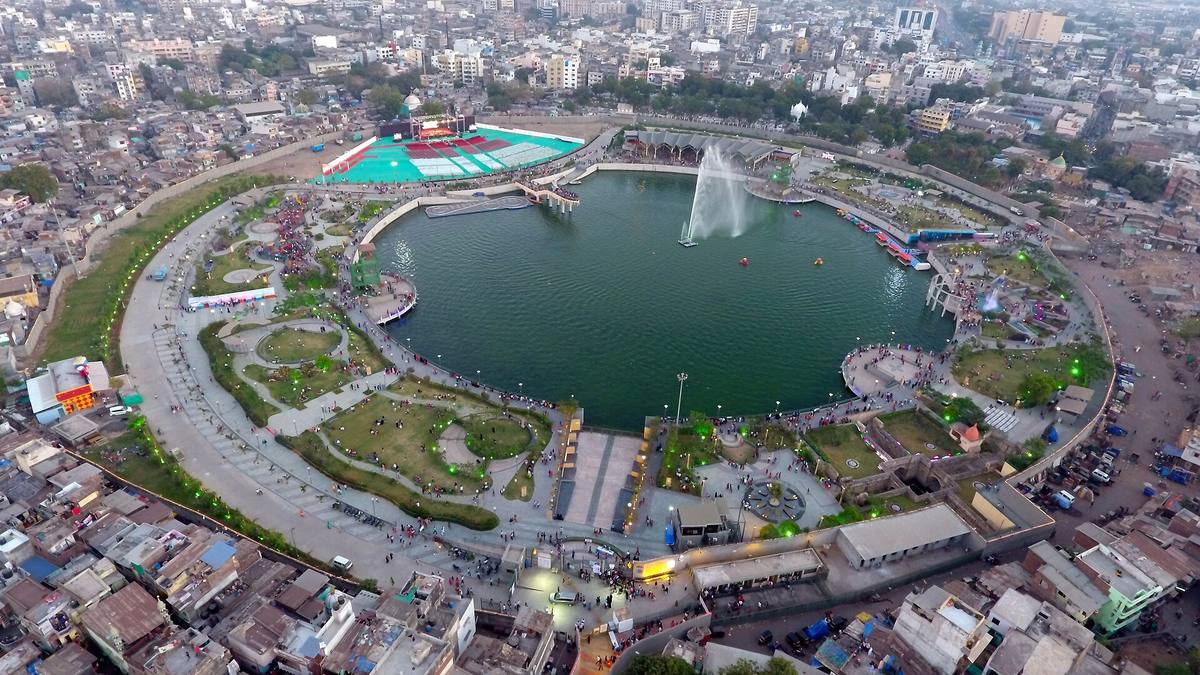
Surtis are the city's original residents, and their identity is inseparable from food — the local nickname "khavaiyya" literally means "one who loves to eat." Old-city neighborhoods like Gopipura and Salabatpura hold generations of Surti heritage, from carved-wood havelis to century-old sweet shops.
Culturally, Surtis have a reputation across Gujarat for being relaxed, generous and quick with a joke — a stereotype most Surtis happily lean into. The distinct Surti dialect, with its own slang and cadence, is instantly recognizable to other Gujaratis.
💎 Saurashtrian community
The single largest migrant group in the city — the backbone of Surat's diamond-cutting and polishing workforce, and famous for legendary Navratri celebrations.
💎 Saurashtrian community
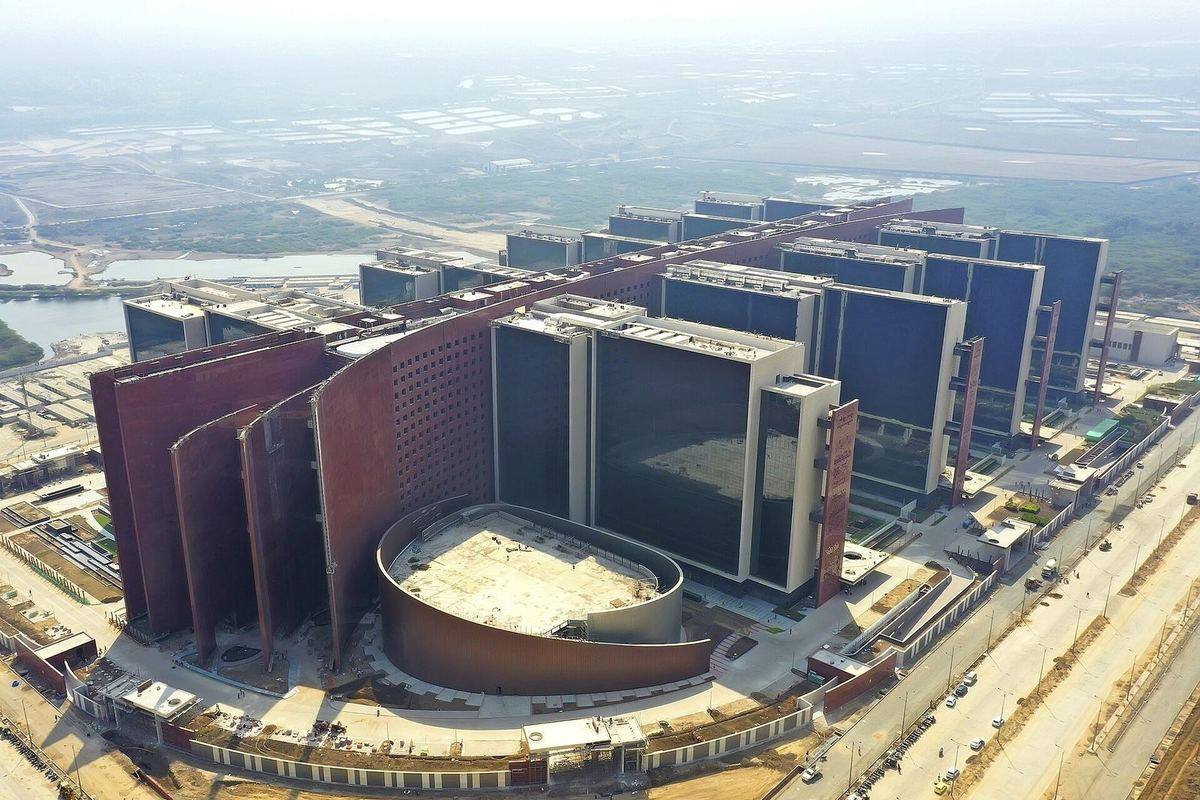
Originating from the Saurashtra region of Gujarat (the Amreli–Bhavnagar–Rajkot belt), this is the single largest migrant community in Surat, and the group most responsible for the city's status as a global diamond-cutting hub — an industry now centered on the enormous Diamond Bourse complex.
Saurashtrians are also credited with setting the bar for Surat's Navratri: many of the city's biggest Garba grounds are organized by Saurashtrian community associations, and the scale of the celebration reflects the community's size and cohesion.
🧵 Marwari & Jain trading families
Originally from Rajasthan, these families own and run much of Surat's diamond export houses and textile trading businesses.
🧵 Marwari & Jain trading families
Marwari and Jain families, with roots in Rajasthan, own and operate much of Surat's diamond export infrastructure and textile trading businesses. Business acumen runs deep in both communities, and their trading houses are concentrated around Varachha and the Ring Road commercial belt.
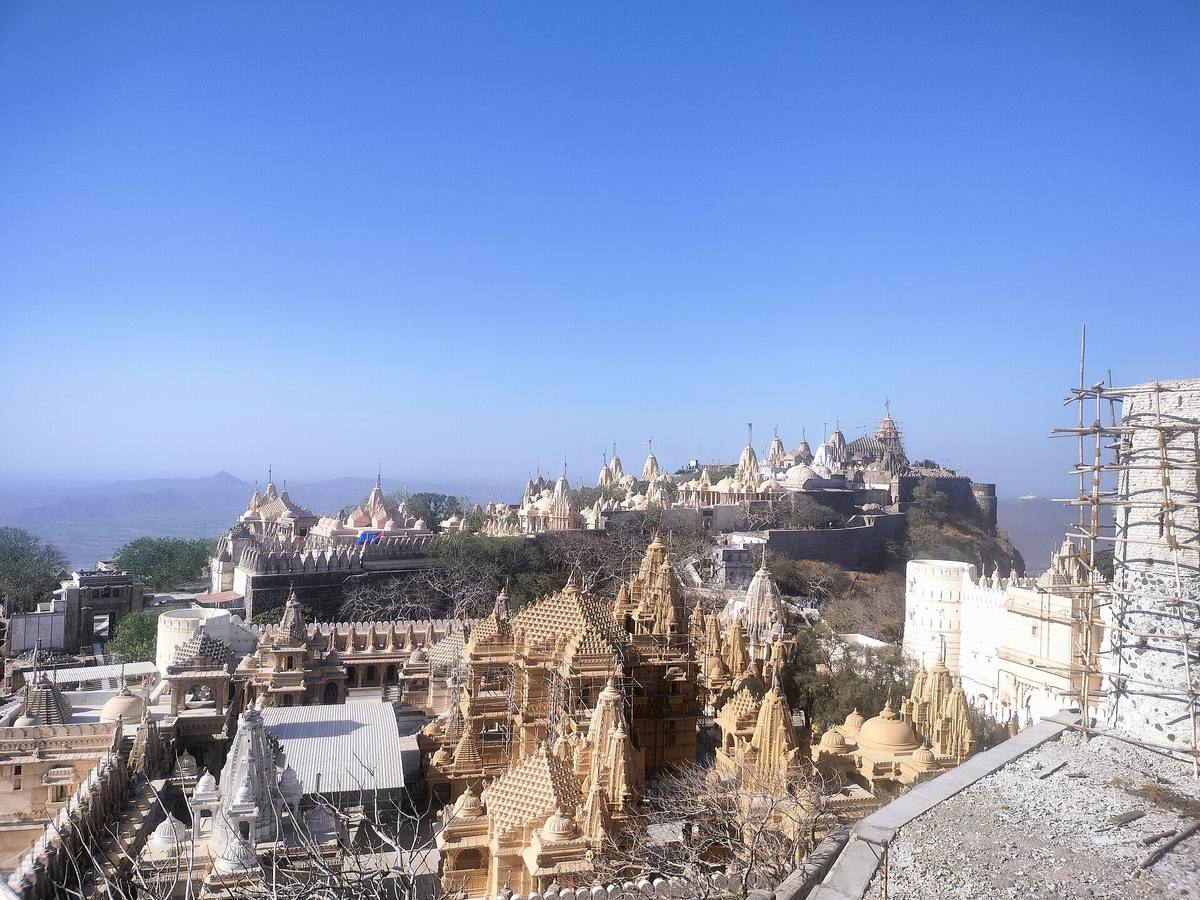
The Jain community's influence extends well beyond commerce — Gujarat is home to some of Jainism's most significant pilgrimage sites (like Palitana, pictured), and Surat has its own network of Jain temples (derasars) reflecting the community's long-standing presence.
🧶 Odia community
A significant population from Odisha works in Surat's powerloom and textile mills, especially around Sachin and Katargam.
🧶 Odia community
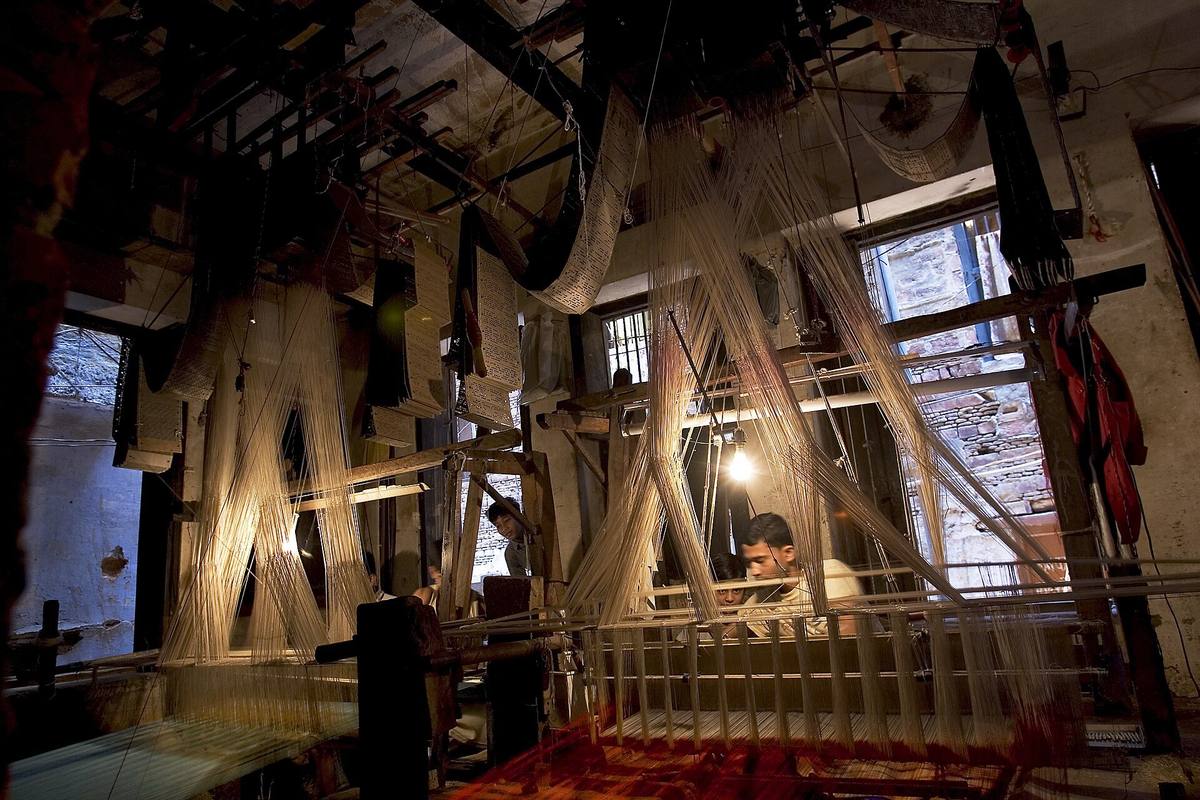
Migrants from Odisha make up a large share of the workforce in Surat's powerloom and textile mills, concentrated in industrial neighborhoods like Sachin and Katargam. Many arrived over the past few decades chasing factory work, and have since built a lasting community presence — Odia associations, temples and cultural events are now firmly part of the city's calendar.
Odisha's own textile tradition (including famous weaves like Sambalpuri) means many workers bring genuine craft skill to Surat's mills, not just labor.
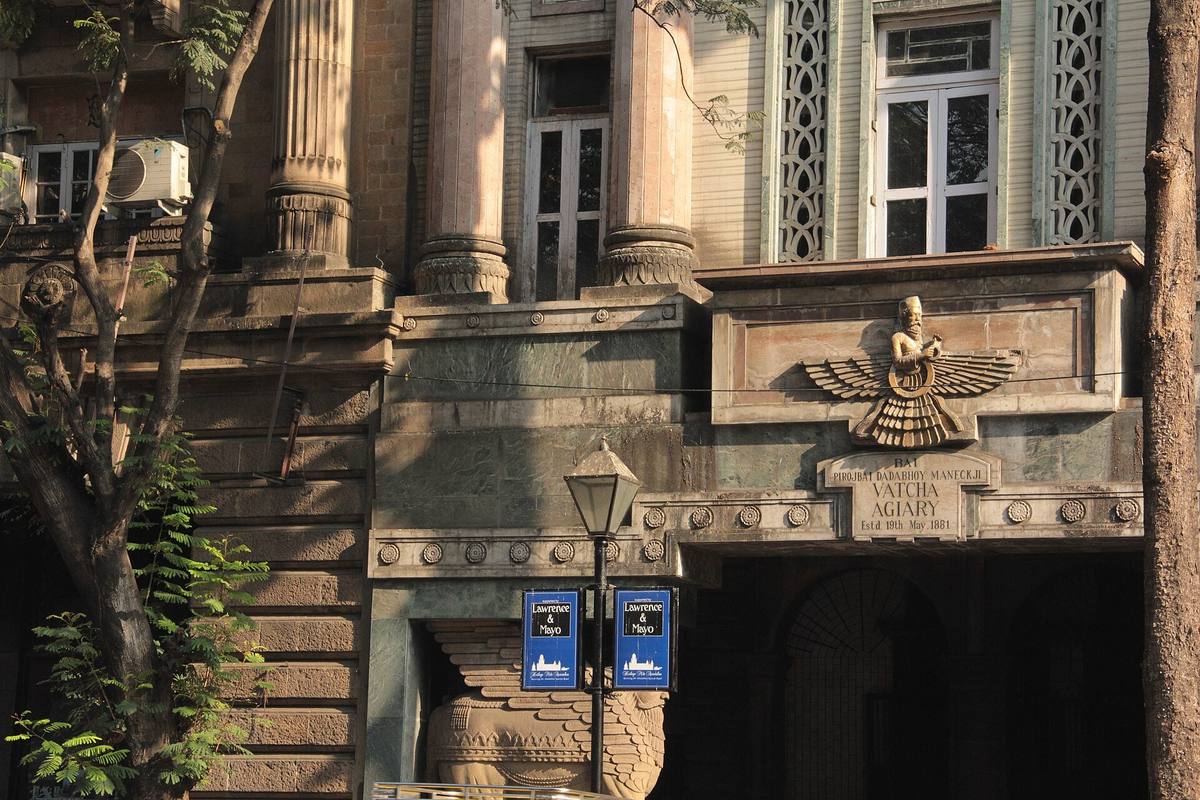
🕊️ Parsi community
Long before Mumbai became India's Parsi hub, Surat was one of the community's earliest and most important settlements after their migration from Persia.
🕊️ Parsi community
When Zoroastrians fled religious persecution in Persia over a thousand years ago, Surat was one of their earliest and most significant footholds in India — long before Mumbai grew into the community's modern hub. Fire temples (agiaries) and Parsi residential colonies still stand in the city as living history.
Though the community is smaller today, Parsi contributions to Surat's trading history and civic life run deep, and events like Navroz (Parsi New Year) remain part of the city's cultural rhythm.
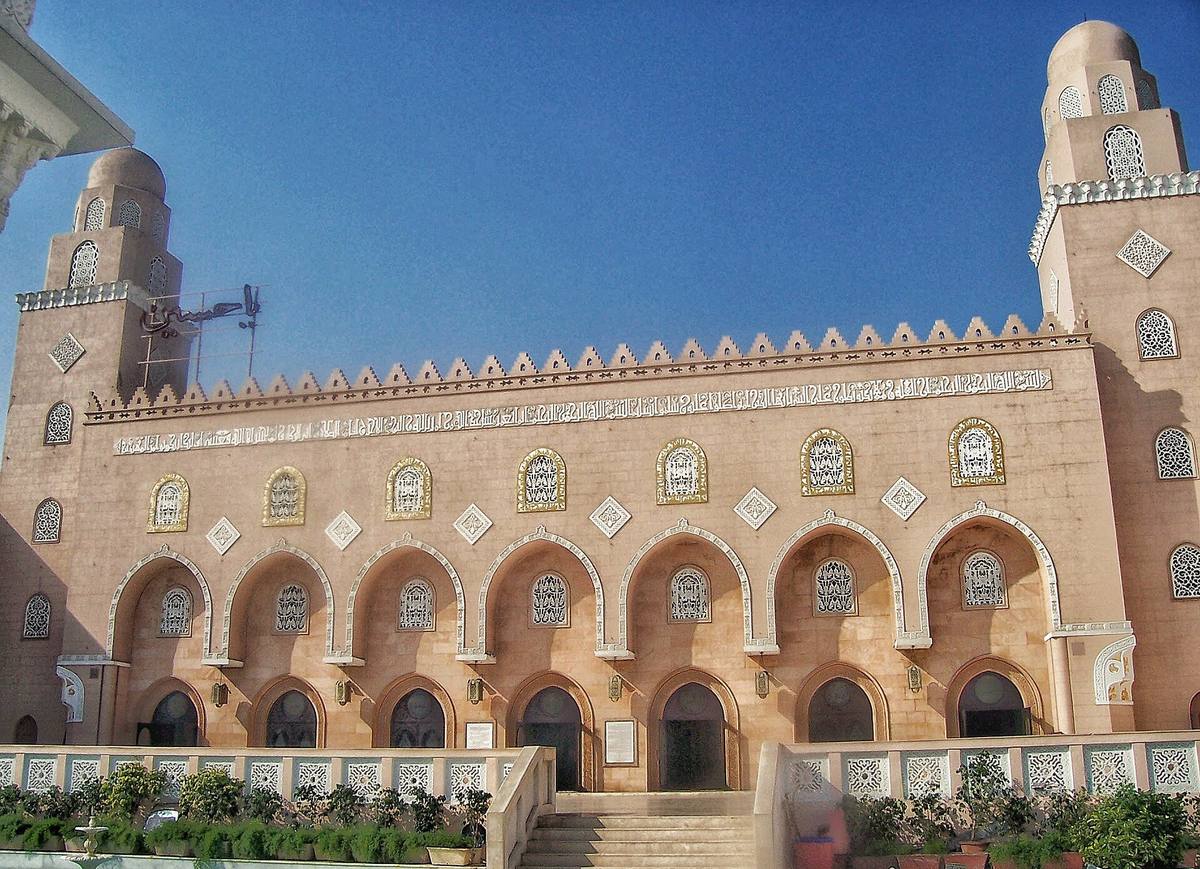
🕌 Muslim community & Rander
The historic port town of Rander has a centuries-old Muslim trading community, known for distinctive architecture, cuisine and hospitality.
🕌 Muslim community & Rander
Rander, now absorbed into greater Surat, was itself a major independent trading port before the city grew around it — and its Muslim trading families, including the Dawoodi Bohra community, have called it home for centuries. The neighborhood's mosques and old merchant houses reflect a distinct architectural style shaped by that trading history.
Rander is also where the city's best-loved non-vegetarian food is concentrated — the food and the community's history are deeply intertwined (see our Food Guide).
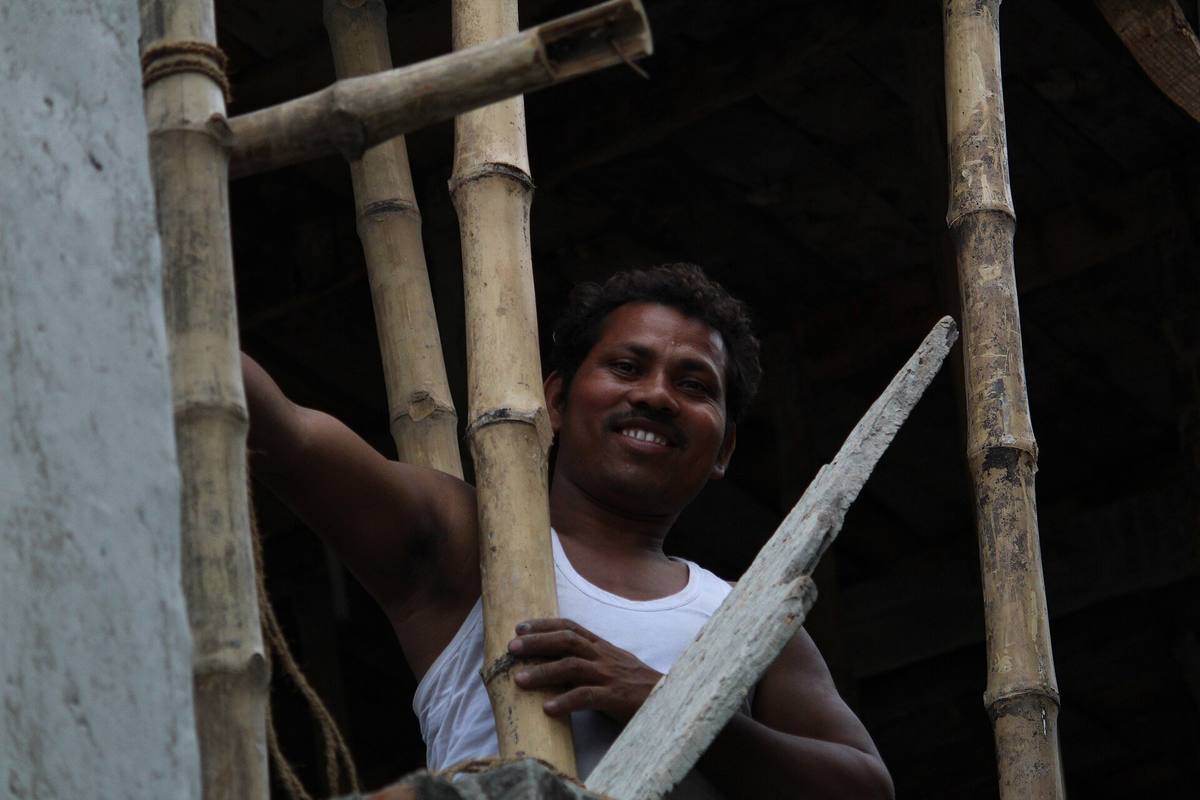
👷 Migrant workforce (Bihar, UP & beyond)
Laborers from Bihar, Uttar Pradesh, and other states power Surat's factories and construction boom.
👷 Migrant workforce (Bihar, UP & beyond)
Surat's rapid growth — its factories, its constant construction, its textile and diamond industries — runs on a large migrant labor force from Bihar, Uttar Pradesh and other northern and eastern states. This workforce is essential and often under-recognized, forming entire neighborhoods and support networks of their own within the city.
Their presence is part of why Surat is genuinely described as a "mini India": on any given street you'll hear Bhojpuri, Bengali, Odia and half a dozen other languages alongside Gujarati.
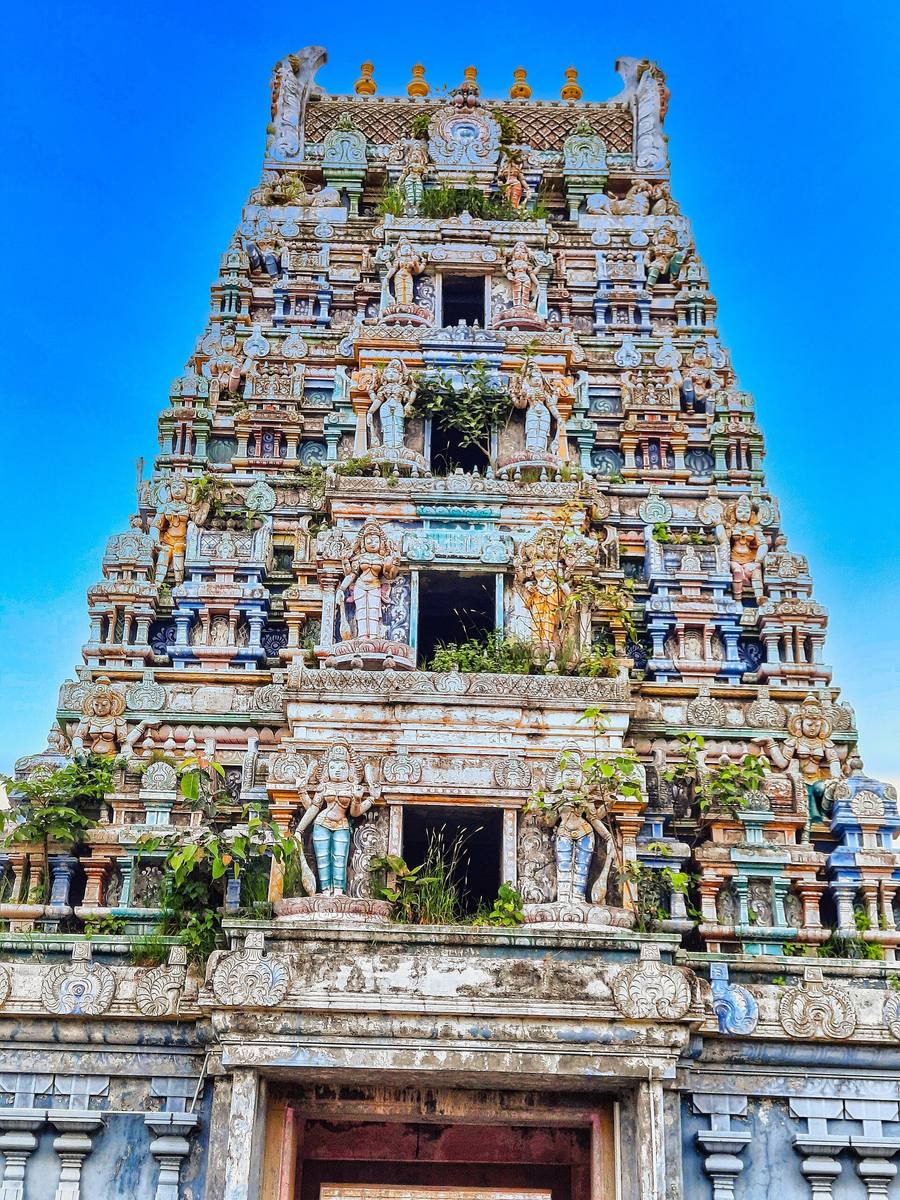
💻 South Indian & professional community
A growing number of professionals from Tamil Nadu, Kerala, Karnataka and Andhra Pradesh work in Surat's IT, education and corporate sectors.
💻 South Indian & professional community
As Surat's economy has diversified beyond diamonds and textiles into IT, education, healthcare and corporate services, a growing professional community from Tamil Nadu, Kerala, Karnataka and Andhra Pradesh has put down roots in the city — a newer, but fast-growing, thread in Surat's cultural fabric.
South Indian temples and cultural associations have followed, giving the community spaces to keep their own traditions and cuisine alive even far from home.