Surat's own landmarks
All within a short ride of the city center.
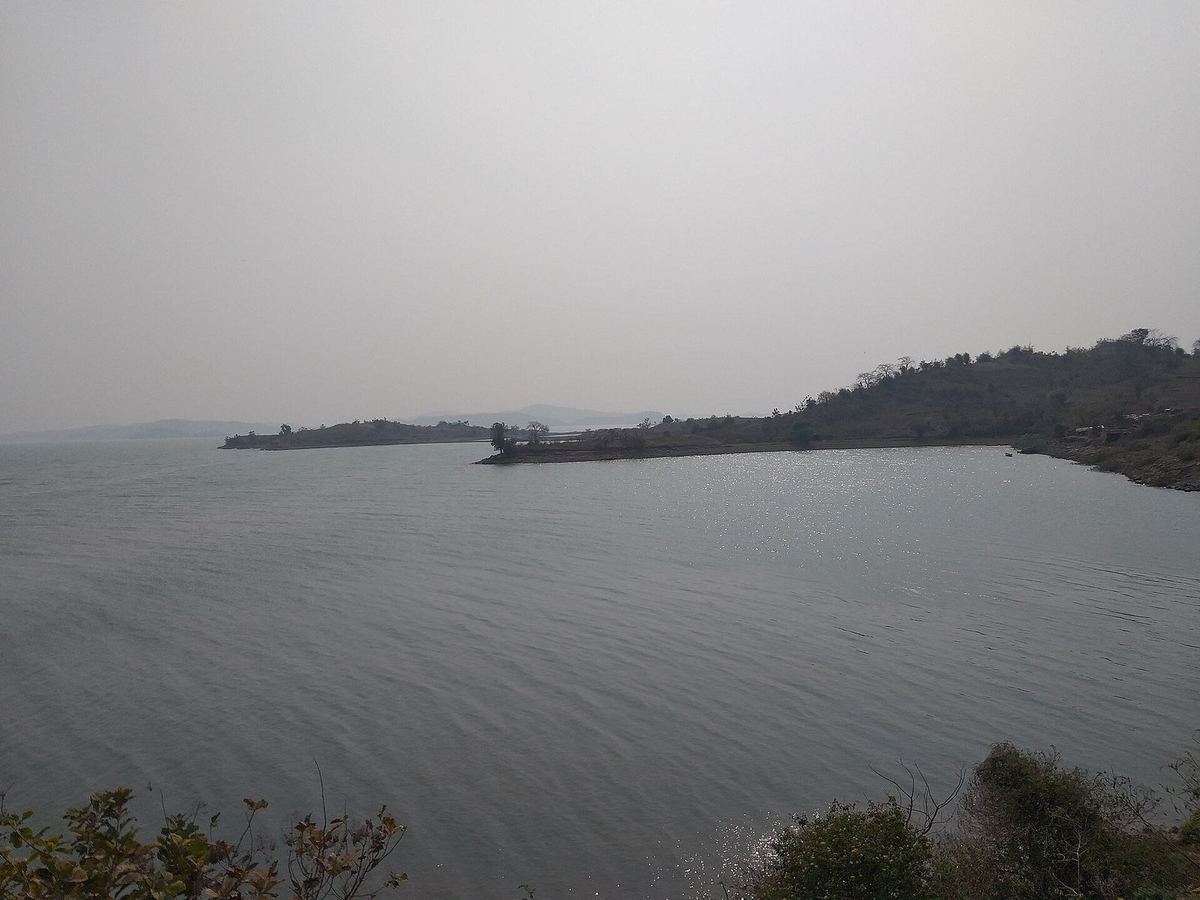
Tapi Riverfront
A beautifully landscaped promenade along the Tapi River — perfect for an evening walk, cycling, or watching the city light up at sunset.
Tapi Riverfront
Surat's riverfront redevelopment turned a stretch of the Tapi's banks into a landscaped promenade with walking and cycling tracks, seating ghats, gardens and food stalls. It's one of the few places in the city where you'll see the full cross-section of Surat life — joggers, families, couples, street vendors — sharing the same stretch of pavement.
The far side of the river lights up after sunset, and the walk is especially pleasant once the day's heat has passed. It connects informally to several other central attractions, so it's an easy add-on to a day exploring Surat Castle or the old city.
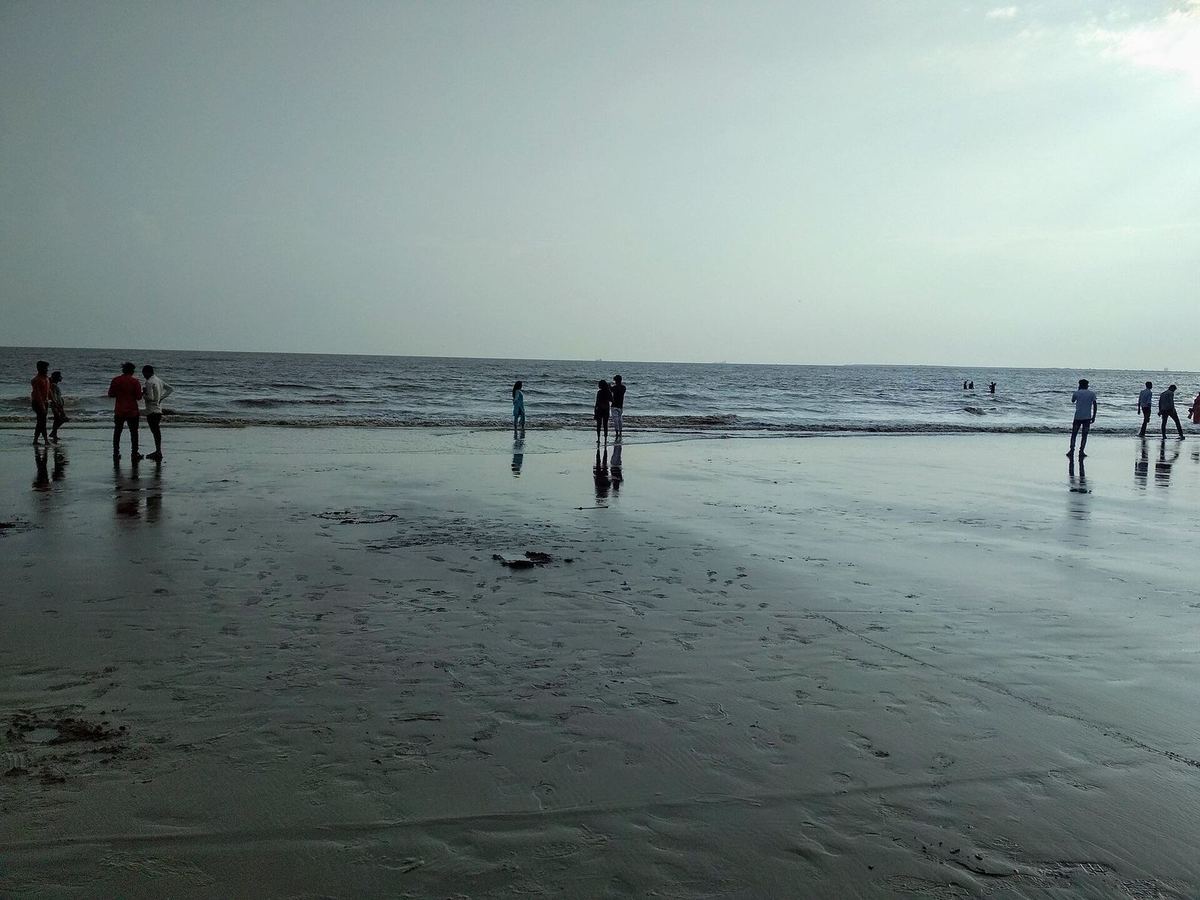
Dumas Beach
A striking, dark volcanic-sand beach about 21 km from the city center — famous for its sunsets, beachside snack stalls, and local legends.
Dumas Beach
Dumas is unusual among Indian beaches for its dark, near-black sand, a result of the volcanic basalt along this stretch of coast. It's not really a swimming beach — currents can be strong and the sand shelves off quickly — but it's a superb place to watch the sun go down over the Arabian Sea while snacking from the row of stalls selling bhutta (roasted corn), chana and bhel.
Locally, Dumas also carries a reputation as a slightly eerie place after dark, tied to it once being used as a cremation ground — most visitors treat this as fun local folklore rather than a reason to skip it.
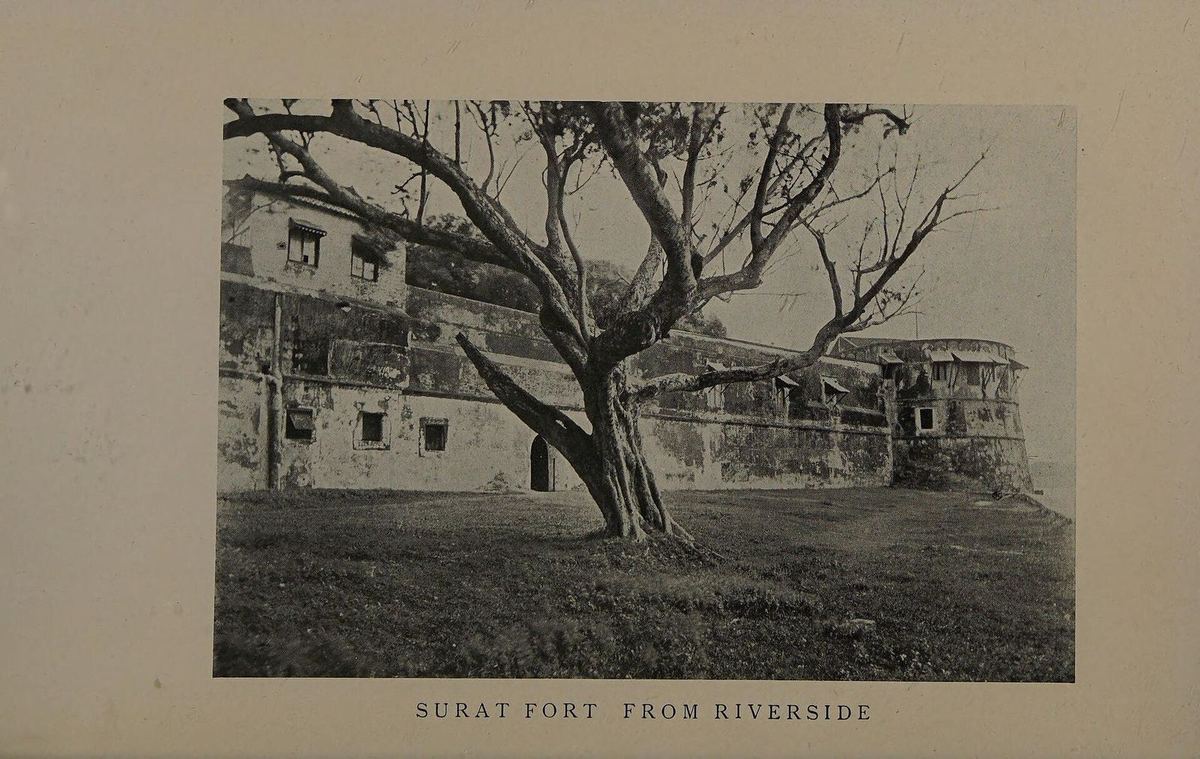
Surat Castle (Old Fort)
A 16th-century fort built to defend the city's port from raids, now restored with museum displays on Surat's trading history.
Surat Castle (Old Fort)
Built in the mid-1500s to guard Surat's harbor against Portuguese raids, the fort's thick stone walls and bastions have been restored in recent years into a walkable heritage site with galleries covering the city's centuries as a Mughal-era trading port. It sits right by the Tapi, so it pairs naturally with a riverfront walk.
Compact enough to see properly in under an hour, it's a good first stop if you want context before exploring the rest of the old city.
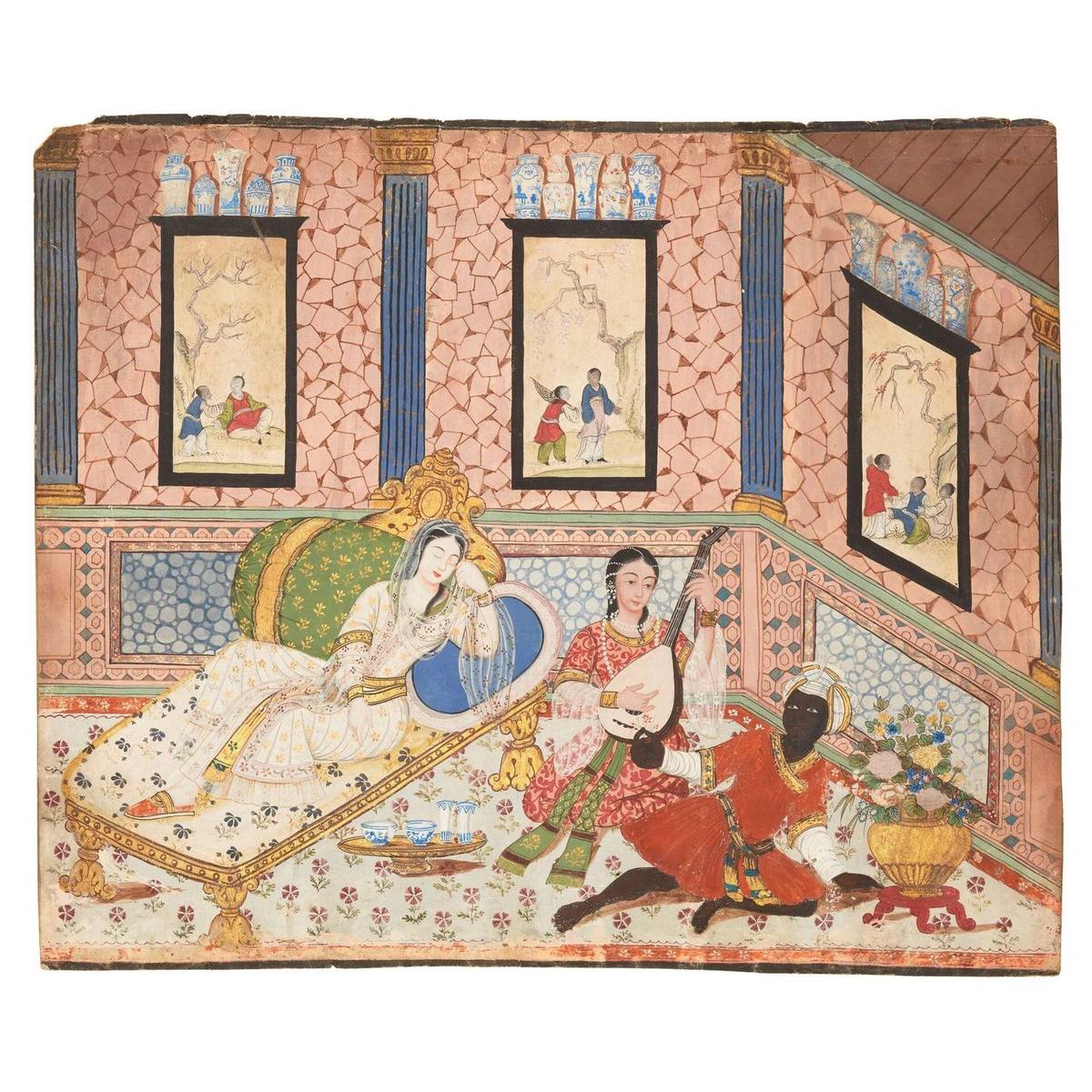
Sardar Vallabhbhai Patel Museum
Housed in the former "Winter Palace," this museum showcases Surat's royal and colonial-era history through art, artifacts and architecture.
Sardar Vallabhbhai Patel Museum
Originally built as a colonial-era public hall and later known as the Winter Palace, this building now houses a museum of paintings, sculpture and artifacts tracing Surat's history as a trading port and its role in India's independence movement. The building's own architecture — high ceilings, wide verandas — is as much a draw as the collection.
It's a quiet, air-conditioned break from the street, and pairs well with a visit to the nearby Old Fort.

Science Centre & Planetarium
An interactive science museum with a planetarium, aquarium and hands-on exhibits — a fun, family-friendly stop.
Science Centre & Planetarium
A hands-on science museum with interactive exhibits, an aquarium section and a planetarium running scheduled sky shows. It's aimed squarely at kids and families, but the exhibits are engaging enough for adults too, and it's a reliable way to fill an air-conditioned afternoon.
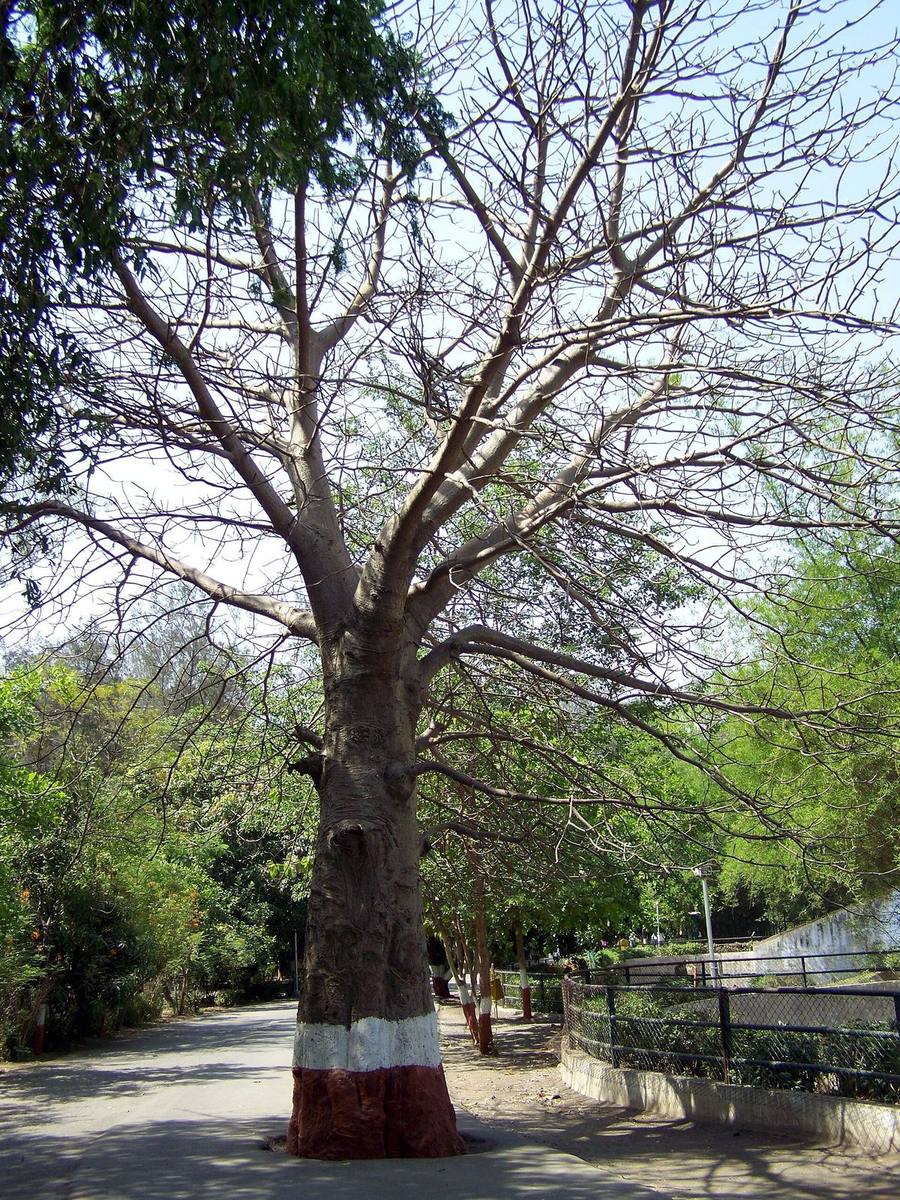
Sarthana Nature Park
A peaceful zoo and nature reserve on the edge of the city — home to lions, deer and a wide range of birdlife.
Sarthana Nature Park
A green, low-key zoo and nature reserve on the city's edge along the Tapi, with enclosures for lions and deer alongside a genuinely good range of resident and migratory birdlife. It's more relaxed than a big-city zoo — a nice half-day if you want to get away from the crowds and concrete for a while.
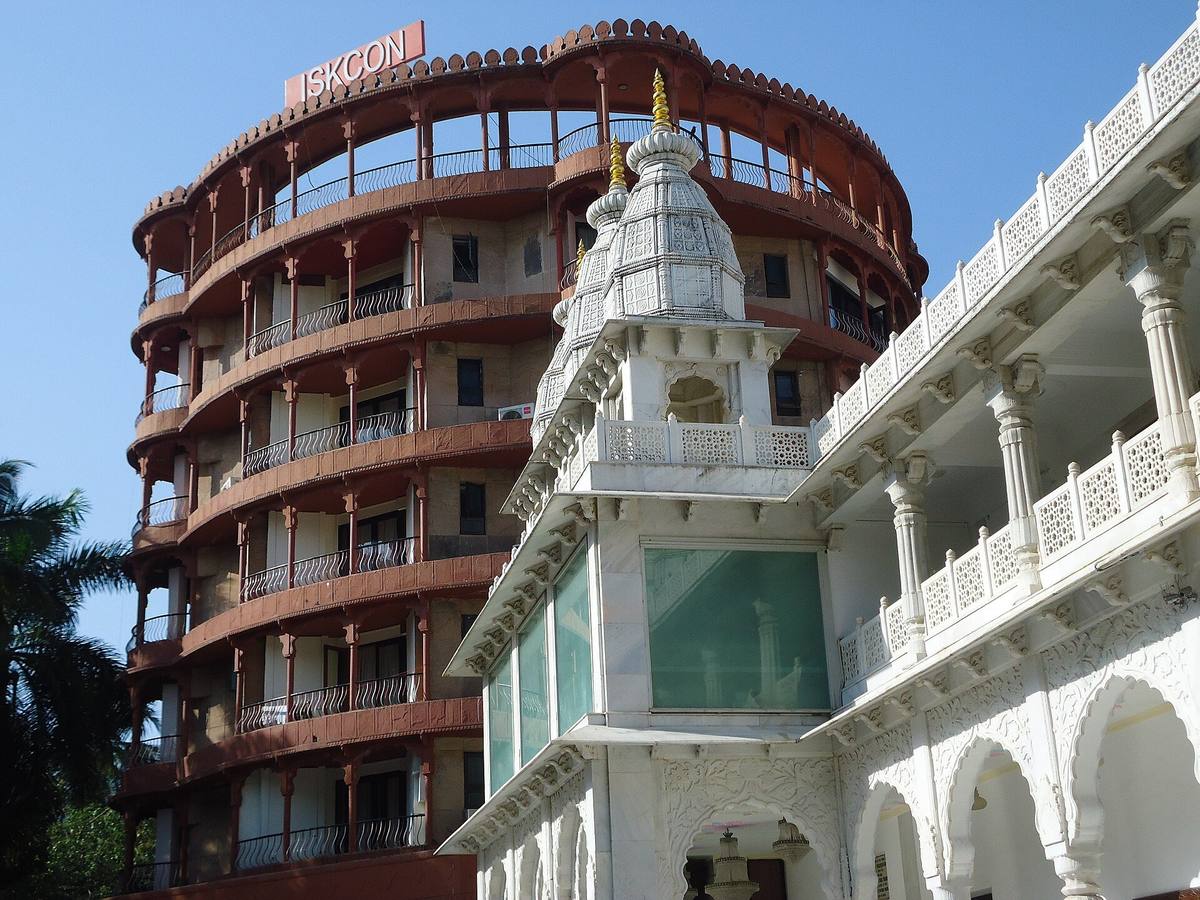
ISKCON & Ambika Niketan Temples
Serene, ornately built temples that welcome visitors of all backgrounds — worth visiting even if you're not there for worship.
ISKCON & Ambika Niketan Temples
Surat's ISKCON temple and the riverside Ambika Niketan temple are both open to visitors of any background, not just worshippers. Evening aarti (the lamp-lighting ceremony) is the most atmospheric time to visit, with chanting, music and free prasad (blessed food) typically offered afterward.
Dress modestly and remove your shoes before entering — beyond that, both temples are genuinely welcoming to curious visitors.
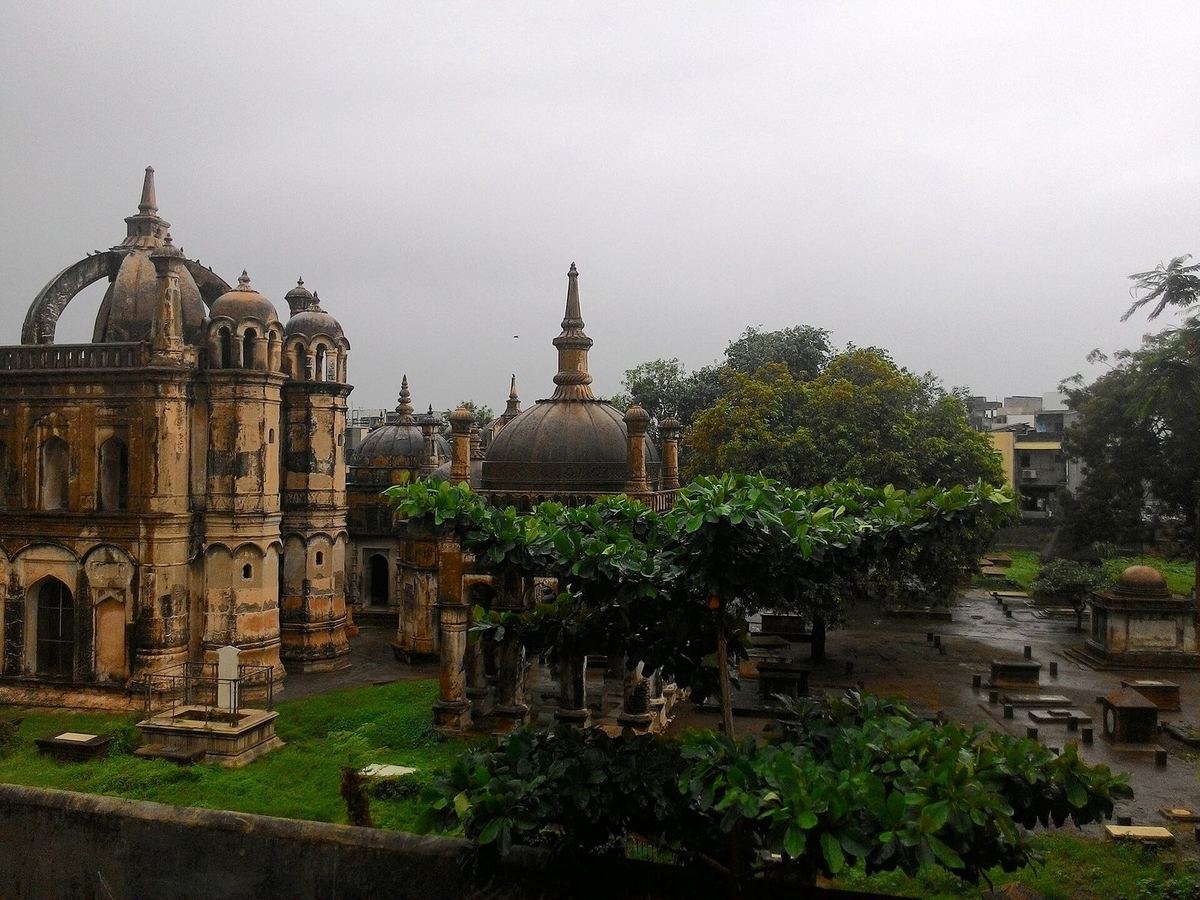
Dutch Garden & Cemetery
A quiet, atmospheric colonial-era cemetery with elaborate 17th-century Dutch and Armenian tombs — a hidden slice of European history in India.
Dutch Garden & Cemetery
Long before Mumbai eclipsed it, Surat was one of the busiest ports in Mughal India, and European trading companies — Dutch, English, Armenian — all kept a presence here. This walled cemetery holds some genuinely grand 17th-century tomb monuments, oddly quiet and almost forgotten compared to the busy city around it.
It's not on most visitors' radar, which is exactly what makes it worth the detour if you're interested in Surat's trading-port history.
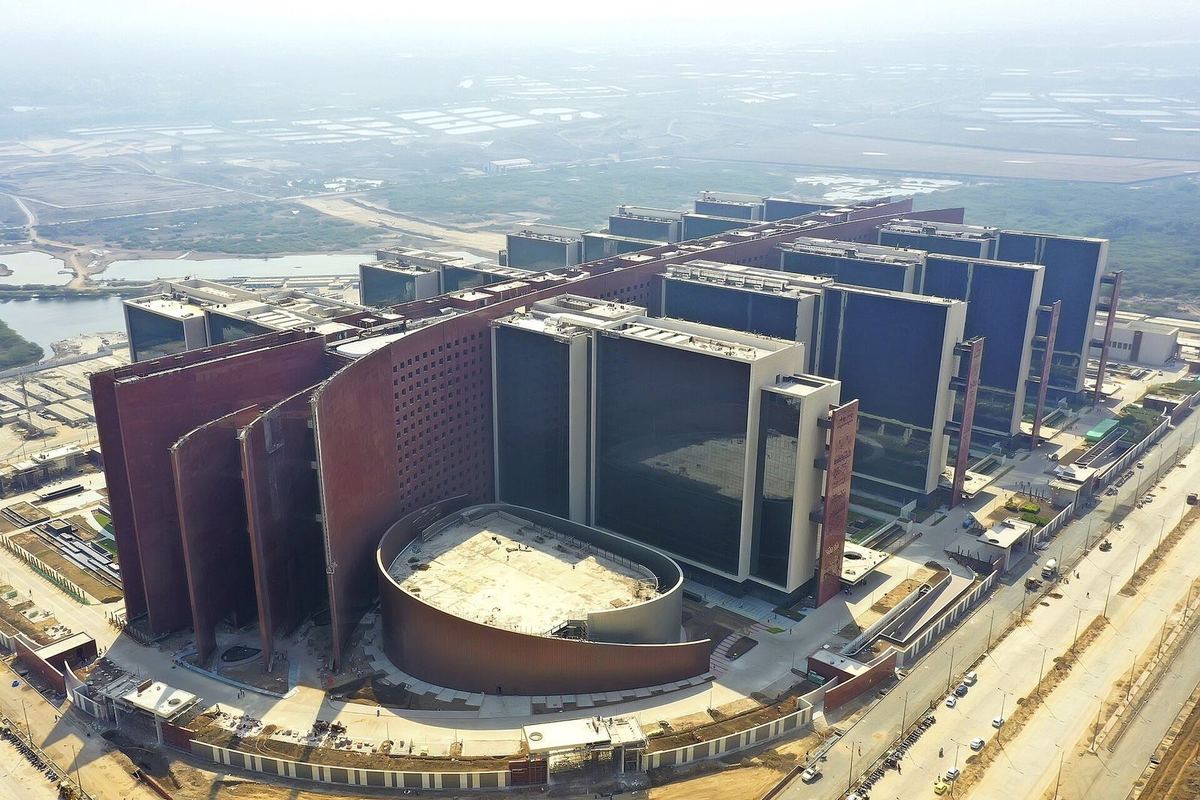
Surat Diamond Bourse
The world's largest office building by floor area — a striking modern landmark and the beating heart of the global diamond trade.
Surat Diamond Bourse
Opened in 2023, the Diamond Bourse overtook the Pentagon as the world's largest office building by floor area — a striking, geometric complex housing thousands of diamond trading offices under one roof. It's a working trade hub rather than a general tourist site, so most visitors experience it from the outside as a landmark of just how central Surat is to the global diamond trade.

VR Surat / Vega City Mall
Modern shopping and entertainment complexes with international brands, food courts and multiplex cinemas — good for an air-conditioned break.
VR Surat / Vega City Mall
Surat's modern malls bring international and domestic brands, food courts and multiplex cinemas under one roof — useful on a punishingly hot afternoon, or if you just want a familiar, air-conditioned few hours between more distinctly "Surat" experiences.
Rangoli / Amazing Park
A vibrant garden with musical fountains, walking paths and light displays in the evening — popular with families and couples alike.
Rangoli / Amazing Park
A landscaped garden built around a musical, illuminated fountain show that draws a lively evening crowd of families and couples. The walking paths and lighting make it a pleasant place to just sit for an hour after dinner, and the fountain show itself is worth timing your visit around.